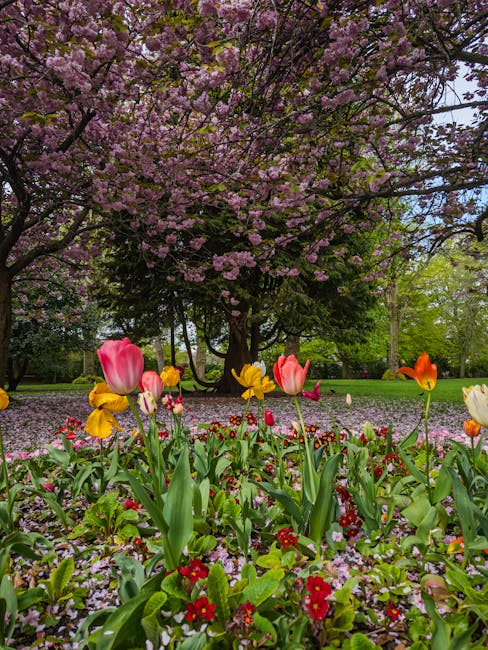
Lamorbey Park Seasonal Planting Tips for Sidcup Gardeners
If you garden in Sidcup, you already know the weather can be a bit of a mixed bag. One week it feels soft and mild, the next you are wondering why the soil still feels cold and sticky underfoot. That is exactly why Lamorbey Park seasonal planting tips for Sidcup gardeners matter: they help you plant at the right time, choose the right plants, and avoid the kind of mistakes that cost you a whole season. Whether you are filling borders, refreshing containers, or trying to make sense of shade, frost, and dry spells, the right seasonal approach makes everything easier.
This guide breaks the process down into clear, local, practical advice. You will get timing tips, planting ideas for each season, common pitfalls to avoid, and a few real-world observations from the kind of gardens that sit around Lamorbey Park and the wider Sidcup area. No fluff, no garden-centre jargon for the sake of it. Just usable guidance you can actually take out into the garden.
- Why seasonal planting matters in Lamorbey Park
- How seasonal planting works in a Sidcup garden
- Benefits of planting with the seasons
- Who this advice is for
- Step-by-step planting guidance
- Expert tips for stronger results
- Mistakes to avoid
- Tools and useful resources
- Law, compliance and best practice
- Options and comparison table
- Real-world example
- Practical checklist
- Frequently asked questions
Why Lamorbey Park seasonal planting tips for Sidcup gardeners Matters
Lamorbey Park sits in a part of southeast London where gardens tend to face a fairly familiar set of conditions: compacted soil in places, a mix of sun and shade, periodic dry spells in summer, and the occasional sharp cold snap that arrives just when you thought spring had settled in. That combination makes seasonal planting more than a nice idea. It is the difference between plants settling in well and plants simply surviving, if that.
Seasonal planting matters because plants are not static decorations. They respond to temperature, day length, soil warmth, rainfall, and light levels. Plant too early and roots struggle. Plant too late and the growing window narrows. Get the timing right and you help the plant do the hard work naturally, which means less stress, fewer replacements, and a better-looking garden overall.
There is also a design side to it. A garden around Lamorbey Park can look flat if everything is planted at once and then left to battle through the same conditions all year. Seasonal planting gives you rhythm. Spring bulbs lead into summer colour, late-flowering perennials carry the show into autumn, and winter structure stops the plot from looking bare. Truth be told, a garden that changes with the seasons usually feels more alive, even on a grey Sidcup morning.
For many gardeners, the real challenge is not enthusiasm. It is timing. You may already know what you like, but when should you plant it? Can that shrub handle a windy corner? Should you wait until the soil warms up? Those are the right questions to ask, and this article answers them in a way that fits local conditions rather than generic advice lifted from somewhere warmer and drier.
How Lamorbey Park seasonal planting tips for Sidcup gardeners Works
Seasonal planting works by matching plant choice and planting time to the conditions each season gives you. In practical terms, that means working with the weather instead of fighting it. Plants settle better when the soil temperature, moisture, and daylight are in their favour. You are not forcing them into the ground and hoping for the best.
In Sidcup, the basic pattern is fairly straightforward, though the details matter:
- Spring is for fresh growth, bulbs, hardy annuals, and many container displays.
- Summer is for maintenance, watering discipline, deadheading, and protecting young plants from heat stress.
- Autumn is one of the best times for planting trees, shrubs, perennials, and spring bulbs because the soil is still warm and rainfall often helps roots establish.
- Winter is mainly about planning, soil improvement where conditions allow, structural planting, and protecting tender plants from frost.
That sounds simple, but the local microclimate makes a real difference. A sheltered south-facing border near a wall will behave very differently from an exposed front garden or a shaded plot under mature trees. You may find the same plant thrives in one part of the garden and sulks in another. Happens all the time. It is not you being a bad gardener; it is just placement and timing doing their usual dance.
The other part of how it works is soil preparation. Seasonal planting is never only about the calendar. A plant put into cold, waterlogged, or exhausted soil will struggle no matter how perfect the date is. That is why improving drainage, adding organic matter, and checking the soil structure is often more valuable than buying a pricier plant. A modest plant in good soil often outperforms an expensive plant in poor conditions. Funny, really, but that is gardening.
Key Benefits and Practical Advantages
When you plant with the seasons, the benefits show up in small but meaningful ways. The garden looks better for longer, the plants waste less energy fighting poor conditions, and you spend less money replacing things that never had a fair chance.
Better establishment. Roots are the first priority. Seasonal timing helps them grow before the plant has to support lots of leafy top growth. Autumn planting, for example, often gives roots a long, cool run before summer heat arrives.
Lower maintenance pressure. Plants that are well matched to the season usually need less rescue work. You are not constantly propping, watering, replanting, or nursing sad-looking specimens back from the brink.
More reliable colour and structure. Seasonal planning helps you avoid the common "everything flowers in May and then the garden looks tired" problem. With a bit of thought, you can layer flowering times, foliage textures, and winter shape.
Better value for money. The cheapest plant is not the one with the low label price. It is the one that survives and thrives. Seasonal planting often reduces losses, which is a much better deal in the long run.
Healthier soil in the long term. Rotating planting styles, improving beds at the right time, and using mulch seasonally can improve soil condition gradually. That matters in urban and suburban gardens where soil can become compacted quite easily.
A calmer gardening routine. You do not need to do everything at once. Seasonal planning breaks the year into manageable tasks. That alone can make gardening feel less overwhelming, especially if weekends are already packed.
Practical takeaway: If you want the simplest win, focus first on matching the plant to the season and the site. Right plant, right place, right time. It is the old advice because it works.
Who This Is For and When It Makes Sense
This advice is for Sidcup gardeners who want more predictable results without turning gardening into a full-time job. That includes new homeowners, long-time local residents, people updating borders after a renovation, and anyone trying to bring a neglected garden back to life.
It is especially useful if you are dealing with one of these situations:
- You have a garden that looks tired after winter and you want a fresher spring plan.
- You are unsure whether to plant now or wait for warmer weather.
- You want year-round interest rather than one short burst of colour.
- You have a shaded or exposed patch that never seems to behave the way you expect.
- You are planning a low-maintenance garden and do not want high-failure plants.
- You are improving a rental garden or a family garden and need practical, affordable choices.
It also makes sense if you are building towards a bigger landscaping project rather than just planting a few extras. For example, if you are considering broader changes to the layout, drainage, or structure of your outdoor space, it may be worth looking at wider support through garden services and maintenance options or exploring longer-term landscape gardening support. Not every garden needs a full redesign, of course, but sometimes a planting plan is part of a larger fix.
If you are mainly after tidy borders, seasonal colour, and a more manageable routine, seasonal planting is the right place to start. It is practical, not glamorous. But then again, the practical bits are what keep gardens looking good in July when the novelty has worn off and the hosepipe is out for the third time that week.
Step-by-Step Guidance
Here is a sensible way to approach seasonal planting in and around Lamorbey Park. You do not need to do every step in one weekend. In fact, splitting it up usually gives better results.
1. Assess your site properly
Start by watching the garden rather than rushing in with plants. Where does the sun land in the morning and afternoon? Which areas stay wet after rain? Which parts dry out fast? Are there sheltered spots near fences or walls, and exposed areas where cold wind seems to whip through?
Take notes. A quick sketch helps more than people think. Mark sunny, shady, damp, dry, and windy areas. It sounds old-fashioned, but a notebook on a kitchen table can save a lot of guesswork later.
2. Test and improve the soil
Dig a small hole and see what you are working with. Sandy soil drains quickly. Clay soil holds water and can compact. Many Sidcup gardens have a mixed profile, so don't assume the whole plot behaves the same way. Add organic matter where needed, especially in planting beds, and break up compacted ground gently rather than overworking it.
If the soil is sticky and hard to dig in winter, wait for a drier spell. Trying to force it can damage structure. Better to pause than to turn the bed into a claggy mess that settles badly later.
3. Choose plants for the season and position
Look for plants that suit the conditions, not just the colour of the flowers. A lavender that loves sun and drainage will be miserable in shade. A fern that loves moisture will sulk in a baking border. Seasonal success starts with matching the plant to the site.
For example:
- Spring: hardy annuals, bedding plants once frost risk has passed, bulbs in bloom, young perennials.
- Summer: established containers, drought-tolerant herbs, flowering perennials with a long display period.
- Autumn: shrubs, perennials, spring bulbs, trees, and ground cover.
- Winter: structure plants, evergreens, bare-root planting where suitable, and protective work around tender specimens.
4. Prepare the bed or container
Remove weeds thoroughly. Add compost or other organic matter. Make sure containers have drainage holes and use fresh, suitable compost rather than reusing tired old material season after season. If you are refreshing a border, mulch after planting to help conserve moisture and suppress weeds.
And yes, it is tempting to skip the prep and just plant. We all do it sometimes. But the prep is where the garden gets its advantage.
5. Plant at the right depth and water in properly
Do not bury the crown of the plant too deeply. That can cause rot or weak growth. Water in generously after planting so the roots settle around the soil. In warm weather, water early in the day or late evening to reduce evaporation. In cooler months, check drainage so you are not leaving roots sitting in water.
6. Mulch and monitor
Mulch is one of the easiest seasonal wins. It helps retain moisture in summer, protects roots in winter, and improves soil as it breaks down. Keep it away from stems and trunks. Then check plants regularly for signs of stress, pests, or poor establishment. The first few weeks matter a lot.
7. Adjust through the year
Seasonal planting is not a one-off event. If a plant struggles, move it. If a border looks dull in one season, add something to bridge the gap. If a container dries out too quickly, rethink the mix. Gardening rewards small course corrections. Quite a lot, actually.
Expert Tips for Better Results
If you want stronger results from seasonal planting in Sidcup, the details matter. These are the habits that tend to separate average gardens from the ones that stay looking composed through the year.
Plant for succession, not just impact. A garden that peaks once and then fades is frustrating. Mix early, mid, and late performers so something is always taking over the baton.
Use evergreen structure wisely. Evergreens give the garden bones through winter. Even a few well-placed shrubs or clipped forms can stop a border from collapsing visually when the flowers are gone.
Work with containers strategically. Containers are brilliant for seasonal change. You can swap them out, move them around, and use them to bridge awkward areas such as steps, patios, or patchy corners. For privacy and height, tall potted planting can be especially useful; there is a helpful local article on tall potted privacy plants if you are trying to create a softer boundary.
Be realistic about watering. Summer container displays can look beautiful for a week and then collapse if you are away or forgetful. If that sounds familiar, choose tougher plants, larger pots, and moisture-retentive compost. No shame in keeping life simple.
Think in layers. Layer height, texture, and flowering time. Low ground cover, mid-height perennials, and occasional taller plants create a fuller, more natural look than a row of identical species.
Allow for local shade patterns. Trees, fences, neighbouring buildings, and even parked cars can affect light in subtle ways. A bed may get full sun in spring but partial shade by mid-summer because nearby growth has filled out. Watch before you plant.
Keep some room to grow. Plants look small on the day you buy them. By midsummer, some will have doubled in size. Overcrowding is one of those mistakes that looks harmless at first and then becomes annoying fast.
Use a maintenance rhythm. Deadhead, water, feed if needed, and trim at the right time. A little routine keeps seasonal planting looking intentional rather than messy. That is the real secret, if there is one.
Common Mistakes to Avoid
Most seasonal planting problems come from a few familiar errors. The good news is they are all avoidable once you know what to look for.
- Planting too early in cold soil. Roots sit and sulk, and the plant never gets a strong start.
- Ignoring drainage. Waterlogged soil can be as damaging as drought, especially in winter.
- Choosing plants for appearance only. That pretty plant may hate your site conditions.
- Underestimating summer watering needs. Container plants in particular can dry out quickly.
- Overcrowding beds. The border may look sparse at first, but it fills in. Usually all at once.
- Forgetting winter structure. A garden without bones can look empty for months.
- Skipping soil preparation. A few extra minutes with compost often pays back all season.
- Replacing rather than adjusting. Sometimes the plant is fine; it is just in the wrong place.
One subtle mistake is assuming every season should deliver the same kind of colour. It should not. A good garden changes pace. Spring can be delicate and fresh, summer bold, autumn richer and more textured, winter quieter but structured. That variety is the point.
Tools, Resources and Recommendations
You do not need a huge kit to follow seasonal planting advice, but a few basic tools make everything smoother. A decent hand trowel, fork, watering can, secateurs, garden gloves, and a wheelbarrow or trug will cover most jobs. For larger beds, a border spade and a soil scoop can save time and your back.
Useful materials include:
- Compost or well-rotted organic matter for improving soil structure.
- Mulch to lock in moisture and reduce weeds.
- Slow-release feed for hungry containers or heavy bloomers, used carefully.
- Plant supports for tall perennials that flop after rain.
- Moisture-retentive compost for containers in sunny spots.
If you are planning a larger refresh, it may be worth exploring related support such as routine garden maintenance or garden clearance services if the space needs a proper reset first. For ongoing seasonal shape, some gardeners also find hedge trimming useful for keeping light levels and boundaries under control.
There is also a practical budgeting angle. If you are trying to decide whether to do it yourself or bring in help, the article on affordable garden maintenance in Sidcup gives a useful feel for how pricing is often approached in the area. It is not about paying for the fanciest option. It is about choosing the right level of support for the job in front of you.
Law, Compliance, Standards, or Best Practice
For most home gardens, seasonal planting is not a heavily regulated activity, but there are still sensible standards and responsibilities to keep in mind. If you are working near boundaries, trees, or shared spaces, it is wise to be considerate of neighbours, property lines, and any existing vegetation that may be protected or shared. Common sense goes a long way here.
If your planting plan involves larger trees, significant excavation, or work near established roots, it is worth being careful. Tree-related work can have implications for safety, tree health, and in some cases local restrictions or permissions. Where the job is more than a simple border refresh, professional guidance is often the safer route. The same applies to heavy pruning, stump removal, or anything that could affect nearby structures.
From a best-practice point of view, aim for the following:
- Use plants suited to the site rather than pushing unsuitable choices.
- Handle soil responsibly and avoid leaving areas bare and exposed for long periods.
- Dispose of green waste properly, or recycle it where practical.
- Follow manufacturer guidance on composts, feeds, and plant protection products.
- Take sensible safety precautions when using tools, ladders, or machinery.
If you want to read more about site safety and responsible working practices, the company's health and safety approach and insurance and safety information are useful reference points. Those are the boring bits, maybe, but they matter when work gets bigger or more technical.
Options, Methods, or Comparison Table
Not every seasonal planting approach is the same. Some gardens benefit from a full border refresh. Others just need a few strategic swaps and a better planting rhythm. Here is a simple comparison to help you think it through.
| Approach | Best for | Pros | Watch-outs |
|---|---|---|---|
| Container-based seasonal planting | Patios, small gardens, entrances, flexible colour changes | Easy to swap, good for renters, quick visual impact | Needs regular watering and feeding |
| Border planting with perennials | Long-term structure and lower replacement needs | Builds year-round interest, settles in well over time | Takes planning and patience, especially in year one |
| Mixed planting with shrubs and bulbs | Gardens needing seasonal rhythm and winter bones | Strong succession, less empty space, more resilience | Needs careful spacing and a clear plan |
| Complete seasonal refresh | Neglected gardens or major style changes | Fast transformation, easier to redesign from scratch | Can be more expensive and labour-intensive |
If you are unsure which route is best, ask yourself a simple question: do you want a quick lift, or are you trying to build a stronger garden for the next few years? That answer usually points you in the right direction. Sometimes the clever move is a small, steady upgrade rather than a full rebuild.
Case Study or Real-World Example
Picture a modest Sidcup rear garden with a sunny patio, a narrow border along the fence, and a shadier corner where nothing seems to last. The owner wants more colour, less faff, and something that does not look tired by August.
The first move is to treat the space as three planting zones rather than one garden. The patio gets containers with a mix of upright and trailing seasonal plants. The sunny border gets drought-tolerant perennials and a few spring bulbs tucked between them. The shady corner gets foliage-led planting, with texture doing more of the work than flowers.
In autumn, the soil is improved with compost and mulch. Bulbs are planted before the ground cools too much. In spring, fresh container planting brings the patio alive without needing a complete redesign. By summer, the border has started to knit together, and the owner only needs light maintenance rather than constant intervention.
What changed? Not the size of the garden. Not the budget in any dramatic way. Just the timing and the match between plant and position. That is the part people underestimate. A good seasonal plan does not need to be fancy. It just needs to be honest about the site.
I have seen plenty of gardens that looked patchy in March and surprisingly composed by July once the planting rhythm was right. Little things add up. A clump of bulbs, a well-placed shrub, a container that actually suits the light. Nothing magical, just sensible gardening done at the right time.
Practical Checklist
Use this checklist before you plant. It saves time, and yes, it saves a few regrets too.
- Have I checked sun, shade, wind, and wet spots in the garden?
- Is the soil ready, improved, and workable for the season?
- Do the plants suit the conditions, not just the colour scheme?
- Have I chosen the right planting time for this type of plant?
- Have I planned for winter structure as well as summer colour?
- Do containers have drainage and fresh compost?
- Have I allowed enough space for growth?
- Do I know how much watering this planting will need?
- Have I mulched or otherwise protected the soil where appropriate?
- Have I thought about ongoing maintenance, not just the first week?
Quick expert summary: Seasonal planting works best when you treat the garden as a living system, not a one-day project. Observe first, plant second, then adjust as the weather and growth pattern change. That simple order makes a surprising difference.
Conclusion
Lamorbey Park seasonal planting tips for Sidcup gardeners come down to a clear idea: let the season help you, not fight you. When you match the plant, the timing, and the site, everything becomes easier. The garden settles faster, looks better for longer, and gives you fewer headaches through the year.
That does not mean every choice will be perfect. Gardens change, soil surprises you, and the weather does its own thing. But with a little planning, a bit of patience, and an eye on the local conditions around Sidcup, you can build a garden that feels thoughtful rather than accidental. And honestly, that is where the satisfaction is.
If you are ready to improve your outdoor space and want a clearer idea of what support might suit your garden, take the next step today. Small changes, made at the right time, really do add up.
Get a free quote today and see how much you can save.
Frequently Asked Questions
When is the best time to plant in Sidcup gardens?
Autumn is often one of the best times for many shrubs, trees, and perennials because the soil is still warm and rainfall helps roots establish. Spring is also good for containers, bulbs, and hardy annuals once frost risk has passed. The best timing depends on the plant and the site, not just the calendar.
What should I plant near Lamorbey Park if my garden is shady?
Choose shade-tolerant plants with good foliage value, such as ferns, hardy ground cover, and woodland-style perennials. In shady spots, texture often matters more than bright flower colour. It is better to build a planting scheme around the light you actually have than to keep trying sun-loving plants that never quite settle.
Can I plant in winter in Sidcup?
Sometimes, yes, but only when the ground is workable and not frozen or waterlogged. Winter is better for planning, structural changes, and certain bare-root planting jobs than for delicate bedding. If the soil is cold and sticky, waiting is usually the wiser move.
Do I need to improve the soil before seasonal planting?
In most Sidcup gardens, yes. Adding compost or organic matter improves soil structure, helps roots spread, and supports healthier growth. Even a small improvement can make a noticeable difference, especially in compacted or tired beds.
What are the easiest seasonal plants for beginners?
Beginners usually do well with hardy perennials, robust shrubs, and easy container plants that suit the site. The easiest plants are the ones that match your conditions and do not demand constant attention. A low-maintenance choice in the right place is far better than a fussy plant in a difficult corner.
How do I keep seasonal containers looking good all year?
Use a larger pot, fresh compost, and plants with similar light and water needs. Swap displays with the seasons rather than trying to keep one planting going for too long. Container planting works best when you treat it as a rotating system, not a one-off arrangement.
Should I mulch after planting?
Yes, in many cases mulch is very helpful. It locks in moisture, helps suppress weeds, and supports soil health as it breaks down. Keep it away from stems and trunks, though, because piling it too close can create problems.
How do I know if I am planting too early?
If the soil is still cold, the weather is unstable, and frost is still likely, it may be too early for tender plants. Hardy plants can tolerate more, but even they establish better when conditions are reasonable. If in doubt, check whether the ground is workable and whether the plant is truly suited to the conditions.
What is the biggest mistake Sidcup gardeners make with seasonal planting?
Probably choosing plants based on looks alone, then placing them in the wrong light or soil. That is a classic one. The second big mistake is skipping soil preparation and expecting the plant to do all the adaptation work itself.
Do seasonal planting tips change if I want a low-maintenance garden?
They do, slightly. For low-maintenance gardens, focus on tougher perennials, evergreens, and plants that suit your soil and exposure. Seasonal change still matters, but the emphasis shifts toward stability, good structure, and fewer high-maintenance swaps.
Is it worth getting professional help for planting?
It can be, especially if the garden needs clearance, a redesign, or a more technical planting plan. If you are short on time, uncertain about soil conditions, or dealing with a larger space, professional help can save trial and error. For smaller jobs, a little guidance may be enough to get you going.
Can seasonal planting help make a small garden feel bigger?
Yes. Thoughtful layering, lighter colours in some areas, vertical planting, and clear seasonal rhythm can all make a small garden feel more spacious. Using containers and well-placed focal points helps too. It does not need to be complicated. A few good decisions usually beat a lot of busy ones.