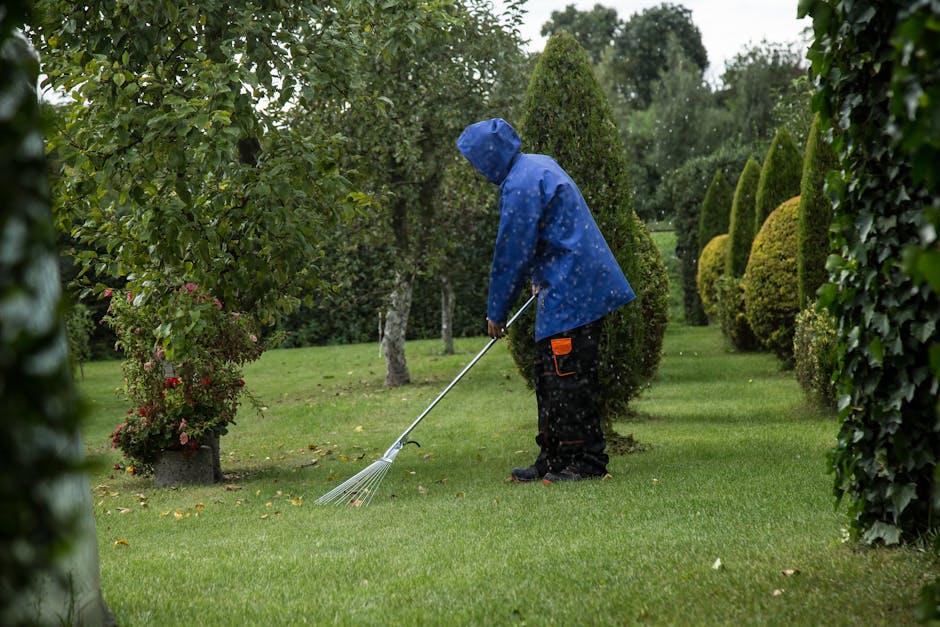
Affordable garden maintenance Sidcup: what to know about pricing
If you are trying to keep a garden tidy without overspending, the pricing side can feel a bit murky at first. One quote says one thing, another says something very different, and suddenly you are wondering what is actually included. This guide on Affordable garden maintenance Sidcup what to know about pricing breaks it down in plain English, so you can compare options properly and avoid paying for more than you need.
Whether your garden needs a quick spruce-up, regular upkeep, or help after a busy few months, the real question is not just "what does it cost?" It is "what am I getting for that cost, and does it suit my garden?" That distinction matters. A lot.
Below, you will find a practical guide to local garden maintenance pricing, what affects the price, how to judge value, and how to choose a service that feels fair rather than vague. For a broader look at available work, you can also browse the services overview and, if you are ready to compare options, the page on pricing and quotes is a sensible next stop.
Table of Contents
- Why pricing matters for affordable garden maintenance in Sidcup
- How pricing for garden maintenance usually works
- Key benefits and practical advantages
- Who this is for and when it makes sense
- Step-by-step guidance
- Expert tips for better results
- Common mistakes to avoid
- Tools, resources and recommendations
- Law, compliance, standards, or best practice
- Options, methods, or comparison table
- Case study or real-world example
- Practical checklist
- Conclusion
- Frequently asked questions
Why Affordable garden maintenance Sidcup what to know about pricing Matters
Garden maintenance sounds simple until you start pricing it. A small front garden can take longer than expected if it has been left to run wild after a wet spell. A larger back garden may look tidy from the kitchen window but still need edging, pruning, clearance, and waste removal. So when people search for affordable garden maintenance in Sidcup, they are often not really asking for the cheapest option. They want predictable, sensible pricing and no awkward surprises.
That is fair enough. Nobody enjoys a quote that starts modestly and then quietly climbs once the job has begun.
Pricing matters because it tells you something about the service itself. A quote that is too low may leave out essentials like green waste collection, hedge shaping, or a return visit for seasonal work. A quote that is too high may include items you do not need. The sweet spot is clarity: what is included, what is extra, and how often the work is needed.
In Sidcup, gardens vary a lot. Some are compact town gardens with a few borders and a lawn. Others have mature hedges, trees, awkward side access, or old beds that need careful attention. All of those details influence labour time, equipment use, and waste handling. So price is not just a number; it is a reflection of the workload.
Key takeaway: affordable does not mean bare minimum. It means the right amount of work, scheduled in the right way, for a price that matches the actual condition of your garden.
How Affordable garden maintenance Sidcup what to know about pricing Works
Most garden maintenance pricing in practice is built from a few moving parts. The cleaner the quote, the easier it is to compare. If a provider explains these parts clearly, you are usually in better shape than if the price is just a single figure with no detail.
1. Labour time
This is often the biggest factor. A quick tidy may take under an hour, while a full maintenance visit can take much longer. Labour time depends on garden size, access, overgrowth, and how much finishing work is involved. A neat lawn edge sounds small, until you are down on your knees doing every border by hand. Then the clock starts to matter.
2. Scope of work
Different jobs carry different effort levels. Basic upkeep might include mowing, weeding, and light pruning. More detailed maintenance could involve cutting back shrubs, clearing beds, deadheading, hedge shaping, or seasonal tidy-ups. The wider the scope, the more the price should reflect that.
3. Frequency
Regular visits are often more efficient than one-off rescue work. A garden kept in check every few weeks usually costs less per visit than a heavily neglected space. That is because maintenance is easier than recovery. Truth be told, that is true of most things in life.
4. Waste removal
Green waste needs to go somewhere. Some jobs create a light pile of clippings, while others produce several bags of cuttings, branches, or turf. If waste is taken away and responsibly managed, that may be included in the price or charged separately. Always check. It is one of the easiest places for confusion to creep in.
5. Equipment and specialist needs
Most standard maintenance uses routine tools, but some gardens need more. Heavy pruning, tall hedges, stubborn roots, or difficult access can add time and require extra equipment. If ladders, longer reach tools, or additional protective gear are needed, the quote should reflect that.
6. Condition of the garden
A well-kept garden is cheaper to maintain than one that has been neglected for months. Overgrown grass, thick weeds, and untamed shrubs usually take longer. In practical terms, that means the first visit can cost more than the ongoing visits after the garden is under control.
If you want a sense of what a provider considers standard work, check the service overview before you compare prices. It helps you see whether a quote is built around regular upkeep, one-off clearance, or a fuller maintenance package.
Key Benefits and Practical Advantages
Affordable garden maintenance is not just about saving money. Done well, it saves time, reduces stress, and stops small issues from becoming expensive ones later. A garden left alone for too long can become a bigger project than it needs to be. You know the sort of thing: one week it is "just a few weeds," and a month later the border is doing its own thing entirely.
- Better budgeting: regular upkeep makes costs more predictable.
- Less catch-up work: maintenance prevents large, costly tidy-ups.
- Improved appearance: a neat garden looks cared for, even if it is simple.
- Healthier planting: pruning, clearing, and weeding help plants breathe and grow properly.
- More usable outdoor space: a tidy garden is easier to enjoy, host in, or simply look at without sighing.
There is also a practical financial angle. If you keep on top of the work, you are less likely to need a more intensive service later. That does not mean every garden needs constant attention. It means that consistent care often gives better value than waiting until the job becomes messy and urgent.
For environmentally minded households, affordability can also include waste awareness. A provider that works carefully, sorts green waste responsibly, and avoids unnecessary disposal trips may help keep your overall spend sensible. If sustainability matters to you, the page on recycling and sustainability is worth a look.
Who This Is For and When It Makes Sense
Affordable garden maintenance in Sidcup suits a wide range of people, but the reasons vary. Some want ongoing help. Others just need a one-off reset. A few simply do not have the tools, time, or physical ability to keep up with a demanding garden. That is completely normal.
Homeowners with limited time
If work, children, commuting, or life generally is swallowing most of your week, maintenance becomes a weekend task you keep postponing. A regular service can restore a bit of breathing room. And honestly, a Saturday morning not spent wrestling a hedge trimmer is a nice thing.
Landlords and rental property owners
Gardens can affect first impressions. For rented homes, a tidy outdoor space often makes the property feel cared for. For some landlords, periodic maintenance between tenancies or during long lets is a practical way to protect the asset without overspending.
Older residents or people with mobility limits
Tasks like lifting bags, kneeling for weeding, or using powered tools can be awkward or unsafe. In that case, affordable maintenance is less about convenience and more about making the garden manageable and safe to use.
Busy households with medium-to-large gardens
Larger spaces naturally need more attention. If you have hedges, multiple beds, or trees that drop leaves at the wrong moment every year, regular maintenance can be a lot cheaper over time than occasional intensive work.
People preparing a home for sale or guests
Sometimes the timing is specific. A tidy garden before viewings, family gatherings, or a summer event can make a surprisingly big difference. It does not have to be show-garden perfect. Just clean, neat, and presentable.
Step-by-Step Guidance
If you are trying to get a fair price, the process matters as much as the number itself. Here is a simple way to handle it without getting overwhelmed.
- Walk the garden first. Note the size, access points, problem areas, and what actually needs doing.
- List the tasks clearly. For example: mow lawn, remove weeds, trim hedges, clear leaves, dispose of waste.
- Decide whether you need one-off or ongoing maintenance. Regular visits often give better value.
- Ask what is included. Labour, tools, waste removal, and follow-up work should all be clear.
- Ask how the quote is built. Is it based on time, task, garden size, or a mixture?
- Check the first-visit expectation. An overgrown garden may need a heavier first cut or tidy-up than later visits.
- Compare like with like. Do not judge a cheaper quote unless the scope is actually the same.
- Confirm the schedule. Weekly, fortnightly, monthly, or seasonal visits each suit different gardens.
A useful trick is to ask for a quote in two parts: initial reset and ongoing maintenance. That way, you can see whether the first visit is doing the heavy lifting while later visits stay affordable. It is a very normal approach and often makes the numbers much easier to understand.
If you are at the stage where you want a quote, the contact page is the natural next step. Keep your request specific. The more useful detail you give, the better the estimate is likely to be.
Expert Tips for Better Results
After enough garden jobs, a few patterns become obvious. The cheapest quote is rarely the best value if it leaves you with half the work still sitting there. Better to spend carefully and get the right outcome.
- Ask for a task list, not just a headline price. A clear list helps you compare quotes honestly.
- Separate maintenance from clearance. These are not always the same thing, and mixing them can muddy the price.
- Be realistic about the garden's condition. If it has been left alone for six months, say so. It helps everyone.
- Prioritise recurring problems. Fast-growing hedges, perennial weeds, and leaf-heavy trees often drive most of the cost.
- Think seasonally. Spring and autumn usually bring heavier workloads, so planning early can prevent rushed spending later.
- Keep access simple. Clear gates, unlock side paths, and remove anything blocking entry if you can.
One small but useful point: if you are comparing two quotes that look close, check how they treat waste. A job can seem affordable until disposal gets added at the end. That is not always unfair, but it should be spelled out clearly.
And yes, a tidy garden bed can make a massive difference faster than people expect. Sometimes all it takes is the edge being sharp, the weeds gone, and the whole space suddenly feels calmer. Funny how that works.
Common Mistakes to Avoid
People often get caught by the same pricing mistakes, and most of them are avoidable once you know what to look for.
Choosing only on lowest price
The lowest quote may exclude waste removal, extra labour, or proper finishing. If the garden ends up needing a second visit, the "cheap" option may not be cheap at all.
Not checking what the first visit includes
Initial visits are often more expensive because the garden needs catching up. If you do not ask about this, the first invoice can feel like a surprise.
Ignoring access issues
Narrow side access, locked gates, steep steps, or no parking nearby can all affect time. They are normal details, but they matter for pricing.
Forgetting waste disposal
Green waste removal should never be an afterthought. Ask whether it is included or charged separately.
Assuming all maintenance means the same thing
One provider's "general maintenance" may mean mowing and light weeding, while another's includes pruning, edging, and clearing. Always ask for specifics.
Leaving the garden until it becomes urgent
This one is easy to do, especially when life is busy. But if you wait too long, the work often becomes more expensive because recovery takes longer than maintenance. Not ideal, obviously.
Tools, Resources and Recommendations
You do not need a shed full of equipment to manage garden maintenance sensibly, but a few basics make decisions easier.
- Notebook or notes app: jot down what needs doing before asking for quotes.
- Camera on your phone: useful for showing overgrowth, access, and problem areas.
- Simple measuring estimate: rough garden size helps providers understand scope faster.
- Seasonal reminder: a recurring note for spring and autumn reviews keeps maintenance from drifting.
- Local service pages: the service overview and pricing and quotes pages are helpful when you want to understand what is offered before requesting a visit.
From a practical point of view, a short list of questions is often the most valuable tool of all:
- What exactly is included in the price?
- Is waste removal included?
- Is this a one-off or recurring price?
- What changes the price if the job takes longer?
- How soon can the work be done?
Those questions keep things grounded. No fluff, no guesswork.
Law, Compliance, Standards, or Best Practice
For garden maintenance, there are a few practical standards and responsibilities worth keeping in mind. This is not about making life complicated. It is about avoiding trouble and making sure the service is delivered properly.
Waste handling: green waste should be handled responsibly and disposed of appropriately. If waste is removed, ask how that is managed. A good provider should explain this clearly. If you care about recycling and minimising landfill where possible, it is reasonable to ask about that upfront.
Health and safety: good practice matters, especially where ladders, sharp tools, heavy bags, or uneven ground are involved. A careful service will take sensible precautions and should be able to outline how they work. You can review the provider's own health and safety policy and insurance and safety information for extra reassurance.
Insurance: garden work can involve accidental damage or injury risks. It is sensible to confirm that the company has suitable cover in place. That is standard due diligence, not being fussy.
Fair terms and payment: pricing should be transparent, and payment terms should be clear before work begins. If you want to understand how a provider handles billing, deposits, or secure transactions, the payment and security page is worth reading.
Working boundaries: if your property has special access concerns, shared spaces, or fragile surfaces, those should be discussed in advance. Best practice is simple: no assumptions, no last-minute awkwardness.
For background on how the business handles customer complaints, accessibility, and broader standards, the relevant pages include the complaints procedure and accessibility statement. They are not glamorous reading, admittedly, but they do show how professionally a provider thinks.
Options, Methods, or Comparison Table
Different gardens need different approaches. The table below gives a simple way to think about the main options and how pricing usually behaves. Exact numbers vary by garden, access, and condition, so treat this as a practical comparison rather than a fixed price list.
| Maintenance option | Best for | Typical pricing shape | What to watch for |
|---|---|---|---|
| One-off tidy-up | Overgrown gardens, pre-sale prep, seasonal reset | Higher initial cost, especially if heavy clearing is needed | Check whether waste removal and extra labour are included |
| Regular maintenance | Gardens that need steady, ongoing care | Often better value over time | Make sure the visit frequency matches growth speed |
| Seasonal work | Spring clean-ups, autumn leaf clearance, hedge shaping | Varies by workload and time of year | Ask what happens if the garden needs more than expected |
| Light upkeep only | Small, already tidy gardens | Usually the lowest ongoing cost | May not be enough if weeds or hedges are growing quickly |
In real life, many households end up with a mix: an initial deeper tidy, followed by lighter routine care. That is often the most balanced route, especially if you want to control spending without letting the garden slide again.
Case Study or Real-World Example
Imagine a typical Sidcup garden with a medium lawn, two beds, a rear hedge, and a side path that has become a bit cluttered with leaves and self-seeded weeds. Nothing dramatic. Just the sort of garden that looks okay from a distance but starts to feel busy when you walk through it.
The owner wants it manageable again without paying for a full redesign. A sensible approach would be:
- a first visit to clear weeds, trim growth, and shape the hedge;
- green waste removed at the same time;
- a regular follow-up every few weeks to prevent the same backlog returning.
In that sort of scenario, the first visit usually takes the most time and therefore costs the most. After that, the ongoing maintenance is easier because the garden is already under control. That is the real pricing pattern people often miss. They look at the first number and assume the ongoing cost will be similar, when in fact the whole point of maintenance is that it becomes lighter once order is restored.
A tidy-up like this can feel surprisingly satisfying. You hear the cuttings being gathered, the path clears, the borders breathe again. Small thing, maybe. But it changes how the whole space feels.
Practical Checklist
Use this checklist before you request or accept a quote. It keeps the conversation focused and helps you avoid the usual surprises.
- Have I listed every task I want done?
- Do I know whether this is a one-off job or regular maintenance?
- Have I mentioned any overgrown sections, tight access, or steps?
- Do I know if waste removal is included?
- Have I asked what the first visit covers?
- Do I understand what would count as extra work?
- Have I compared quotes on the same basis?
- Have I checked the provider's service information and pricing guidance?
- Am I happy with the payment process and terms?
- Do I know what to expect after the quote is accepted?
If you can tick most of those off, you are usually in a strong position to make a sensible choice.
Conclusion
Affordable garden maintenance in Sidcup is not really about finding the lowest figure on a page. It is about understanding what drives the price, matching the service to the real condition of your garden, and choosing a provider that is clear about scope, waste, timing, and expectations. That is what keeps the job affordable in a proper sense.
Once you know how pricing works, you can spot a good-value service much more easily. You will know when a cheaper quote is genuinely efficient and when it is simply missing important details. And that confidence matters. It saves money, yes, but it also saves hassle.
If you want to take the next step, review the available garden maintenance services, check the pricing and quotes guidance, and reach out when you are ready to talk through your garden in detail. A clear conversation at the start usually makes everything smoother later.
Get a free quote today and see how much you can save.
And if your garden has been quietly nudging you for attention, maybe this is the week to sort it. One good tidy can change the whole feel of the place. Funny, really, how a bit of order outside can make everything feel lighter inside too.
Frequently Asked Questions
How much does affordable garden maintenance in Sidcup usually cost?
It depends on garden size, condition, access, and the tasks included. A small tidy-up will cost less than a neglected garden that needs clearing, pruning, and waste removal. The best approach is to ask for a written breakdown so you can compare like with like.
What affects the price of garden maintenance the most?
The biggest factors are labour time, garden size, how overgrown the space is, and whether waste is removed. Access can also affect pricing if tools and cuttings need to be carried through narrow or awkward routes.
Is a one-off garden tidy more expensive than regular maintenance?
Usually, yes. A one-off tidy often involves more intensive work because the garden has had time to build up weeds, clippings, and overgrowth. Regular maintenance tends to be more cost-effective over time.
Should waste removal be included in the quote?
It should at least be made clear. Some providers include waste removal as part of the price, while others list it separately. Always ask, because that detail can change the overall cost quite a bit.
What is the cheapest type of garden maintenance?
Light, regular upkeep is usually the cheapest ongoing option because the garden is already under control. Once a garden becomes heavily overgrown, the first visit tends to cost more.
How often should I book garden maintenance?
That depends on how fast your garden grows and how tidy you want it to stay. Many people choose weekly, fortnightly, monthly, or seasonal visits. A small garden may only need occasional help, while a larger one may need more regular attention.
What should I ask before accepting a quote?
Ask what is included, whether waste is removed, how the first visit works, what counts as extra work, and whether the price is for a one-off job or ongoing visits. A clear quote is usually a good sign.
Do I need to prepare anything before the gardener arrives?
It helps to clear access, unlock gates, and move fragile items if you can. You do not need to overthink it. Just make the job easier to start and the visit tends to go more smoothly.
Can garden maintenance help improve my property value or presentation?
It can improve kerb appeal and make the property feel cared for, which matters for viewings, guests, and general presentation. It is not a guarantee of value, of course, but a neat garden usually leaves a better impression.
How do I know if a gardener is good value rather than just cheap?
Look for clarity, not just a low headline figure. Good value usually means the quote covers the tasks you actually need, waste is handled properly, and there are no surprises later. If the service information is transparent, that is a strong sign.
What if my garden has been neglected for months?
Be upfront about it. Heavier jobs often need an initial reset before any regular maintenance begins. That first visit may cost more, but it creates a clean starting point and makes future upkeep easier.
Where can I find more details about service standards and payment?
You can review the provider's pages on about us, insurance and safety, and payment and security for more background before you decide. Those pages help build confidence and make the process feel less guessy.